The dolls of Chernobyl: Poignant symbols of nuclear horror, or macabre Instagram tableaux?
byFaroque Sarkar-
0
By David Sim
International Business Times
On
26 April 1986, a huge explosion in a reactor at the Chernobyl power
plant in what was then the Soviet Union led to the world's worst nuclear
accident. Thirty-one years later, the nearby town of Pripyat has become
a magnet for "disaster tourists"
keen to photograph the abandoned ghost town, with its derelict
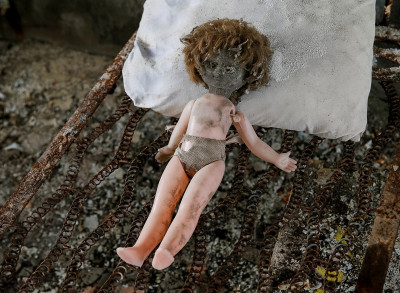
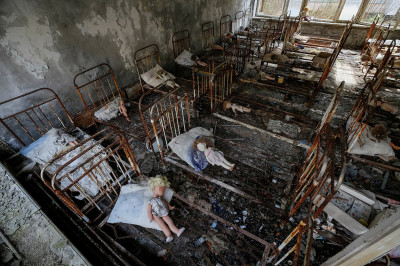
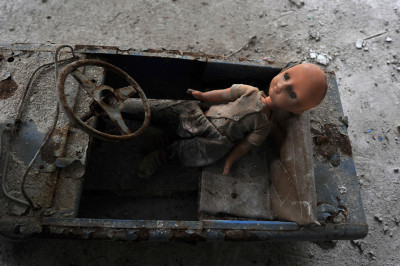
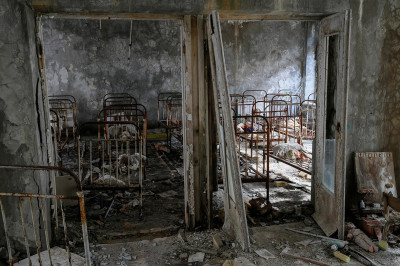
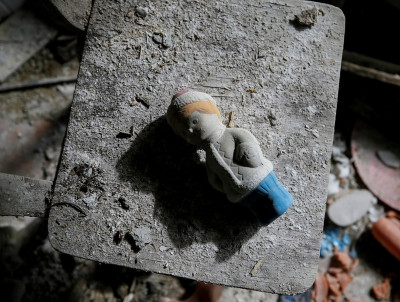
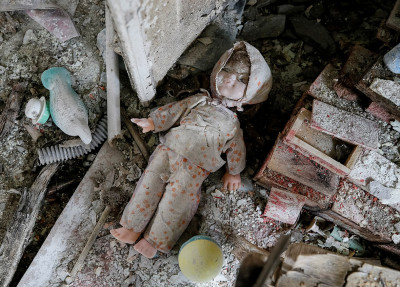
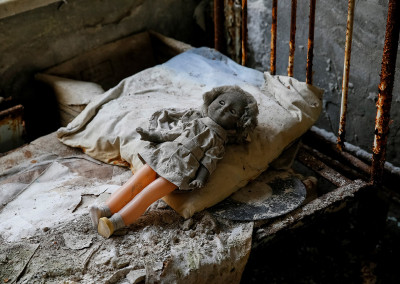
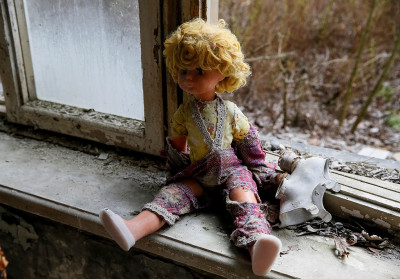
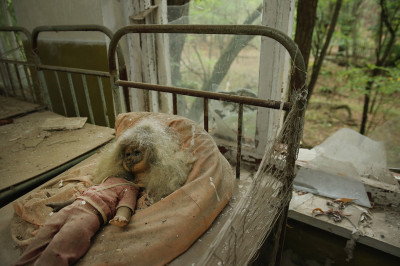
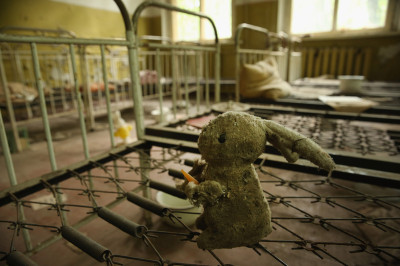
apartment blocks and rusting Ferris wheel. Children's dolls and stuffed
toys litter the kindergarten, a poignant symbol of nuclear horror.
Gleb Garanich/ReutersGleb Garanich/ReutersThe schools and hospitals appear to have been left untouched since the town was hurriedly evacuated in 1986. As a 2011 Telegraph report
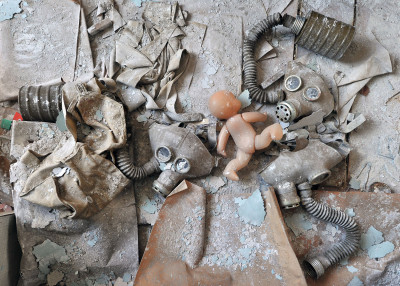
poetically put it: "Hundreds of discarded gas masks litter the floor of
the school canteen, Soviet propaganda continues to hang on classroom
walls, and children's dolls are scattered about, left where their young
owners dropped them in a hurry a quarter of a century ago."
However,
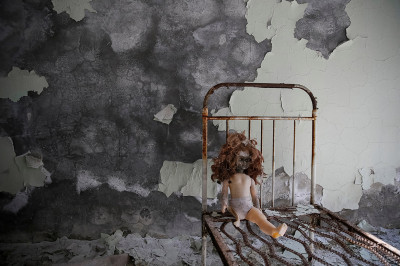
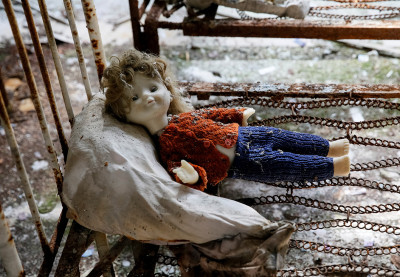
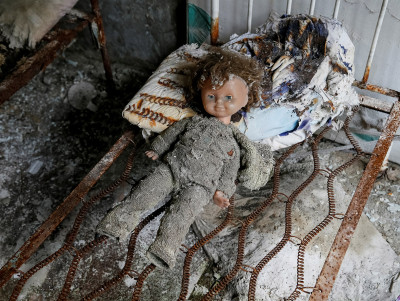
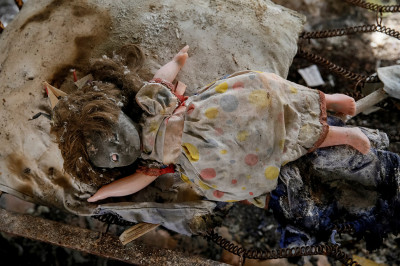
all is not as it seems. Many of the dolls aren't randomly scattered
where they were dropped, but artfully arranged on beds, with pillows to
prop up their dusty heads, or juxtaposed with gas masks. These macabre
tableaux have been placed by visitors, either as a tribute to the
children who lived here, or – more probably – simply to make a more
dramatic Instagram post.
Gleb Garanich/ReutersGleb Garanich/ReutersSergei Supinsky/AFPVisitors are warned not to touch anything within the nuclear exclusion zone, but British writer and photographer Darmon Richter, who visited Pripyat in 2014,
noted that: "Within my own group alone, I observed countless instances
of tourists moving these artefacts around, or repositioning furniture
for a better shot. I watched a photographer arrange stuffed bears and
little dolls so that they sat in line along the edge of a bare,
metal-framed bed. I'm sure it made for an excellent photograph... but if
my group was by any way representative, then just imagine the
cumulative effect of as many as 10,000 visitors interacting with the
Zone every year."
Some of the dolls look far too new to have been lying in the rubble for 31 years, so are probably props brought in by "ruin porn"
enthusiasts. Visitors don't just leave items – some have made off with
residents' former personal possessions as macabre mementoes of their
visit. While it is forbidden to remove anything from the radioactive
zone, a large amount of portable items have been smuggled out by illegal
trophy-hunters and scrap-dealers.
Several tour companies – such as "Chornobyl Tour" and Welcome to Chernobyl
arrange group visits to Pripyat and other surrounding villages inside
the 2,600 sq km exclusion zone. It is generally considered safe to visit
the zone for short periods of time as the isotopes released in 1986
have since decayed. Radiation levels in sites seen on these tours range
from 15 to several hundred micro-roentgens per hour – in order for
radiation to kill, a person would have to be exposed to between 300-500
roentgens an hour. However, Ukrainian officials have suggested that
Pripyat will not be inhabitable for another 20,000 years.
Gleb Garanich/ReutersGleb Garanich/ReutersGleb Garanich/ReutersGleb Garanich/ReutersGleb Garanich/ReutersGleb Garanich/ReutersGleb Garanich/ReutersSergei Supinsky/AFPSergei Supinsky/AFPSergei Supinsky/AFPSergei Supinsky/AFPThe town of Pripyat,
just a few kilometres from Chernobyl, was built in the 1970s to house
the plant's workers and their families. Around 50,000 people once lived
here in apartment blocks on tree-lined streets. The town had 15 primary
schools, five secondary schools and a technical college. There was a
hospital, two sports stadiums and an amusement park.
The disaster killed 31 people immediately
– almost all of them reactor staff and emergency workers. Between 30
and 50 emergency workers died shortly afterwards from acute radiation
syndrome. The long-term effects are not yet known, but a report
suggested that the eventual death toll could reach 4,000. Nobody can say
for sure when the area will be safe again – some scientists estimate
that it could be 20,000 years before people can live near the plant
again.